
Full-Spectrum CBD Oil Guide
Focused on the appeal and tradeoffs of products that include a wider cannabinoid and terpene profile.
Use these pages when you already understand the basics and want a more focused look at full-spectrum oil, broad-spectrum oil, THC-free oil, isolate oil, gummies, capsules, tinctures, topicals, edibles, or pet-specific formats. Each page links back into the educational guides and category pages so product comparisons stay grounded.

Once the format is right, the rest of the label gets easier to interpret. That is why this hub stays closely linked to the guides and categories sections.
Use the oil cluster when spectrum and serving flexibility matter more than routine simplicity.
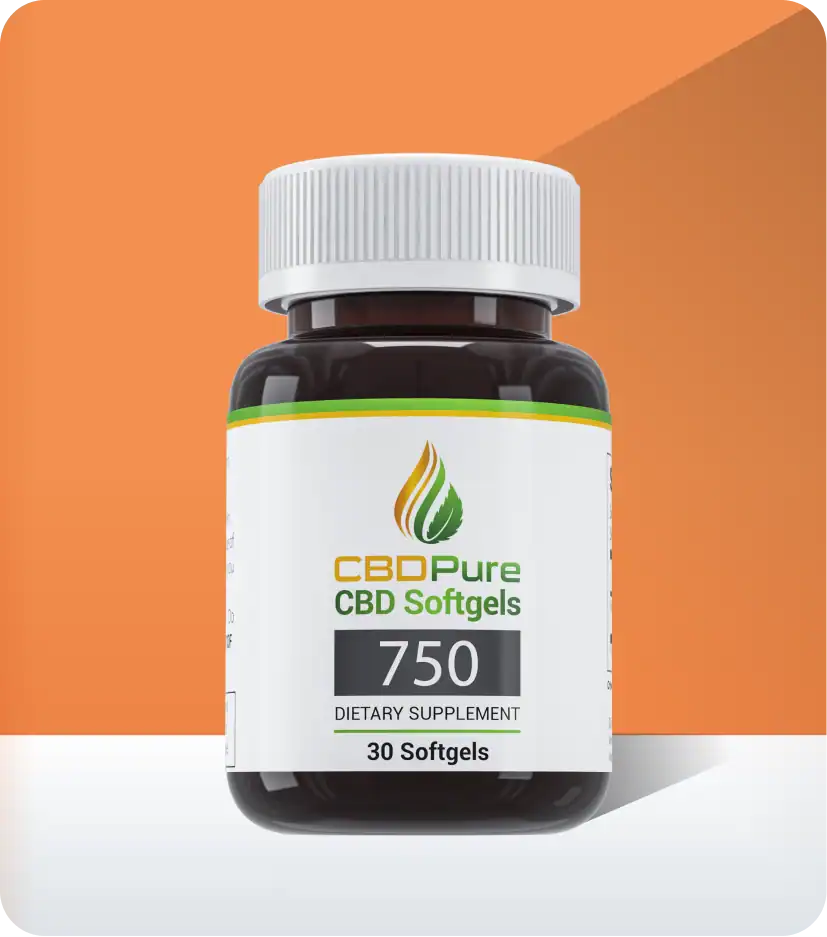
Compare fixed-serving formats when convenience and routine matter more than dropper flexibility.

Keep creams, balms, and similar products separate from ingestible formats before narrowing brands.
Use the scan-first product directory when you want a broader list view before choosing a single page.
If you already know the format you want, use the grouped sections below. If you want the broader list view first, open the CBD product directory. If the format is still unclear, step back to the start-here page or the format comparison guide.
Use EazeMD to understand CBD labels, formats, spectrum types, and brand signals before comparing current CBD products, brands, and store information on CannabisShop.com.
Once the format is clear, CannabisShop.com is the next place to review current CBD product, category, and store information.
Focused on the appeal and tradeoffs of products that include a wider cannabinoid and terpene profile.
Useful for readers who want a middle-ground spectrum filter before narrowing products more closely.
Best for readers who want to minimize THC exposure and compare label clarity more carefully.
Focused on isolate-style oils for readers who want a narrower formula and a tighter category filter.
Helpful for readers who want flexible serving control and need a cleaner way to compare dropper-based products.
A practical way to compare full-spectrum, broad-spectrum, isolate, and THC-free options without losing the bigger picture.
Helpful if you want a familiar edible-style format and need a cleaner way to compare gummy labels.
Useful when you want a broader edible path that covers gummies and other food-style formats without mixing them into oils.
A broader edible browsing page for comparing convenience, serving clarity, and ingredient complexity before choosing one format.
Helpful if you want a fixed-serving format that fits a supplement-style routine.
A practical route for comparing capsules and softgel-style shopping paths without confusing them with tinctures.
A simpler decision path if you want the least complicated route into format, label clarity, and category basics.
Useful for readers comparing creams, balms, sticks, and other topical formats separately from ingestible products.
A separate product page for oil-based pet products so you can compare that path without mixing in treats.
A treat-specific pet page for readers who want a cleaner way to compare chewable formats and label guidance.
If you want the wider browsing view before choosing one product page, use the category guides for CBD topicals and CBD pet products. They help you compare the whole format group before narrowing to a single product type.
Product pages are most useful when they do more than repeat category names. The goal here is to connect product intent with educational context, so a reader who starts with "I think I want THC-free oil" or "I think I want gummies" can still move back to questions about testing, ingredients, and label interpretation.
If you still need the broader picture, the guides hub is the better entry point. If you want a site-level navigation layer before any product page, start with the categories hub.
If you want to browse more broadly before choosing one product page, use the CBD oils category guide, format comparison guide, spectrum shopping guide, the broader CBD products guide, or the product directory. Together they help sort the topic by format, spectrum, and buying question before you narrow further.
The brands hub and the more list-driven brand directory add a secondary comparison layer after the format is clearer. Good examples from this hub include the more oil-centered Lazarus Naturals guide, the broader multi-format Green Roads guide, and the pet-relevant Receptra Naturals guide.