
Start with format before brand
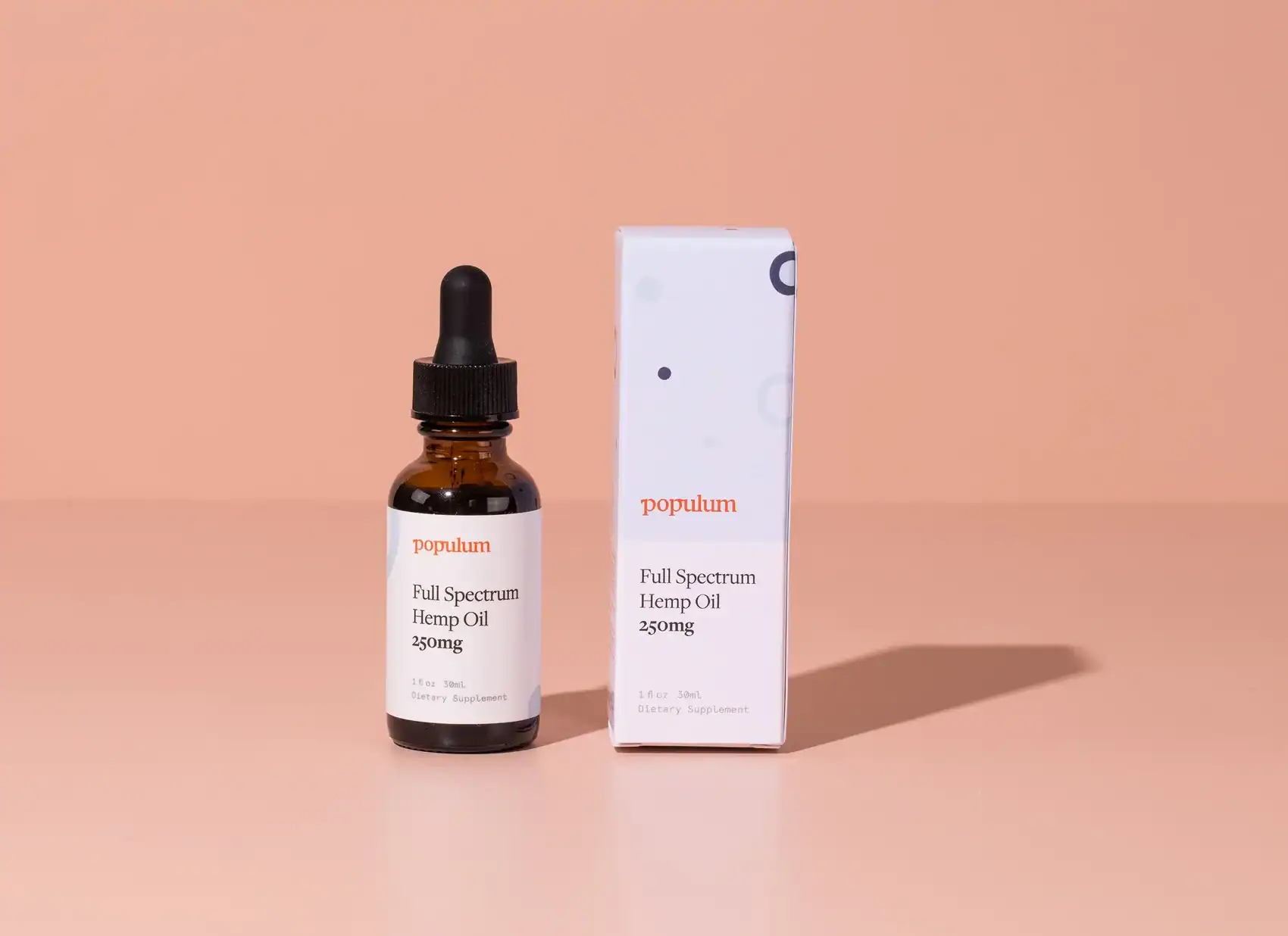
When a CBD category is large, the easiest first cut is format. Decide whether you are comparing oils, gummies, capsules, topicals, pet products, or another product type before you start narrowing by brand. That is the same logic behind the site's product hub, which separates the most common shopping paths into simpler pages. If you want the site-level overview first, start with the categories hub and then use this page as the broader matched category reference.
Use spectrum to narrow the field further
Once the format is clear, spectrum becomes one of the most useful next filters. Some readers want a broader hemp profile. Others want a more narrowly defined CBD formula or a more direct THC-avoidance path. The CBD spectrum guide, broad-spectrum CBD oil guide, THC-free CBD oil guide, and CBD isolate oil guide all help with that second layer of sorting.
Use special-use clusters only after the basics are clear
Some category paths are easier to compare after the format and spectrum questions are already settled. That is especially true for the site's CBD topicals guide, the paired CBD pet oils guide and CBD pet treats guide, and the CBD tinctures guide. Those pages are most helpful when they sit on top of the category basics instead of replacing them.
Do not lose the label details while browsing categories
A category page can make products easier to find, but it should not replace the actual comparison work. Once you click into a product or a product-type page, you still need to review the ingredients, total CBD, serving information, and testing. That is why the lab report guide and buying mistakes guide remain useful even after the category is narrowed.
Use brand pages as secondary context
Sometimes a brand page can help you understand whether a company appears to focus on one format or many. The brands hub is meant for that secondary layer of browsing. It helps you compare selected brands without replacing the more important product-level checks. Pages like the Green Roads guide, Lazarus Naturals guide, and Receptra Naturals guide work best in that secondary role, especially when paired with the brand comparison guide.
A practical category-browsing checklist
- Choose the format first
- Use spectrum language as a second filter
- Compare strength using real numbers
- Read the ingredients before assuming products are interchangeable
- Check the lab report before trusting the label
That sequence keeps a category page useful because it turns browsing into a structured comparison instead of a long scroll through similar-looking labels.