
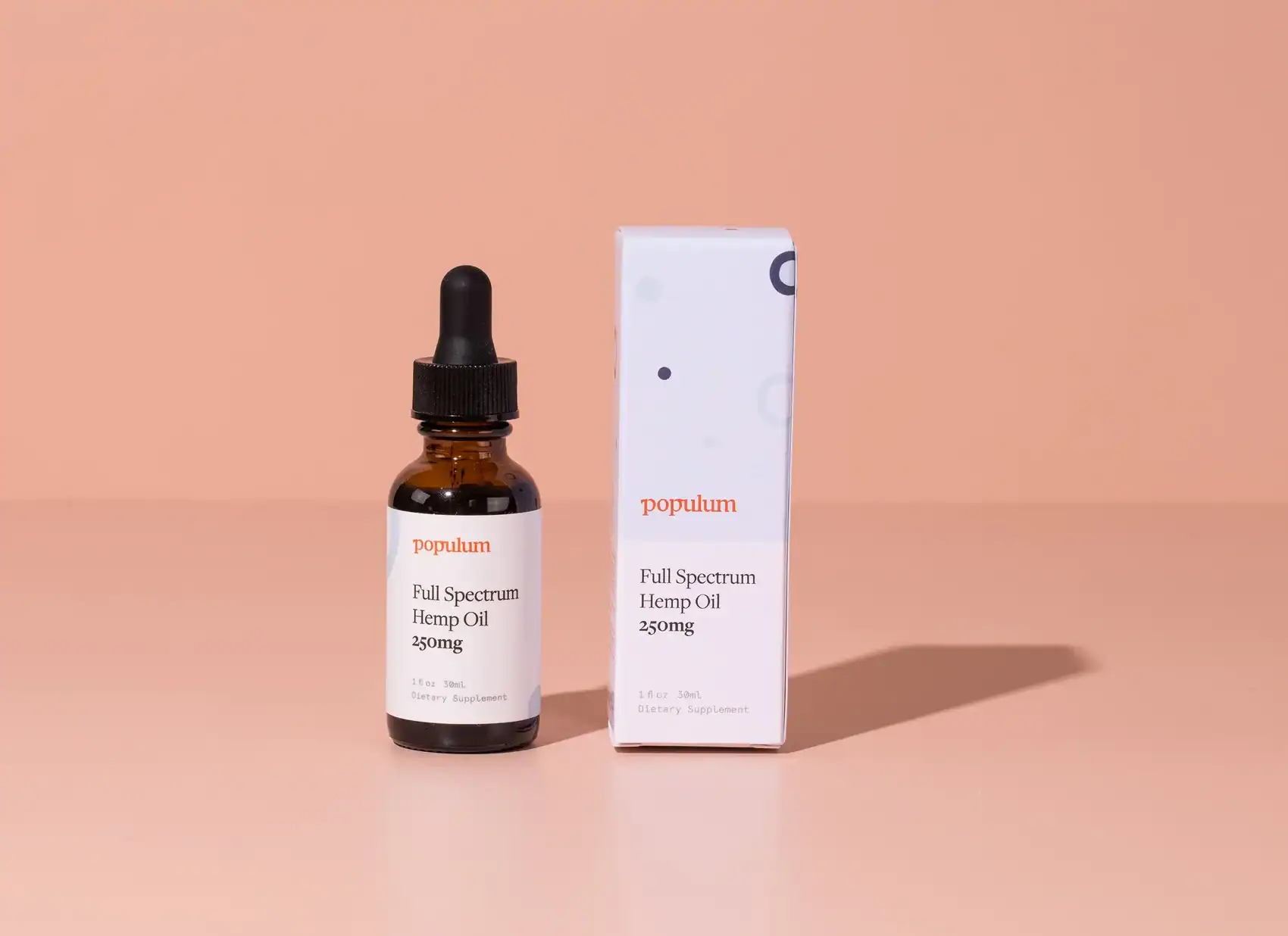
Why readers choose tinctures
Tinctures are often the product path people choose when they want a dropper-based format and a cleaner way to compare serving size. They are also one of the easiest formats to misunderstand because "CBD tincture" and "CBD oil" are sometimes used interchangeably. That is why it helps to pair this page with the direct tinctures-versus-oils guide.
What to compare on a tincture label
- Total CBD in the bottle and per serving
- Carrier oil and other ingredients
- How easy the serving instructions are to follow
- Spectrum or THC-positioning language
- Current third-party testing that matches the product
These details matter because tinctures can look simple on the surface while still differing a lot in concentration, supporting ingredients, and documentation quality.
How tinctures fit inside the broader site
Tinctures sit at the center of several reading paths on this site. The CBD oil overview helps with the basics, the strength guide helps with concentration, and the broad-spectrum CBD oil guide or full-spectrum CBD oil guide can help if spectrum is the next filter. If you want the internal site route for that decision first, use the CBD oils category guide.
Use brand pages only after the product type is clear
If you want a brand-context layer after the tincture path is already clear, use the brands hub and pages like the Lazarus Naturals guide or Joy Organics CBD guide. Those pages help you compare how selected brands appear to approach tincture-style products without replacing the product-level checks.
Clarity still wins
The easiest tincture to compare is usually the one that makes the least amount of guesswork necessary. When the label, serving guidance, ingredient list, and testing all line up cleanly, the rest of the comparison becomes much easier.