
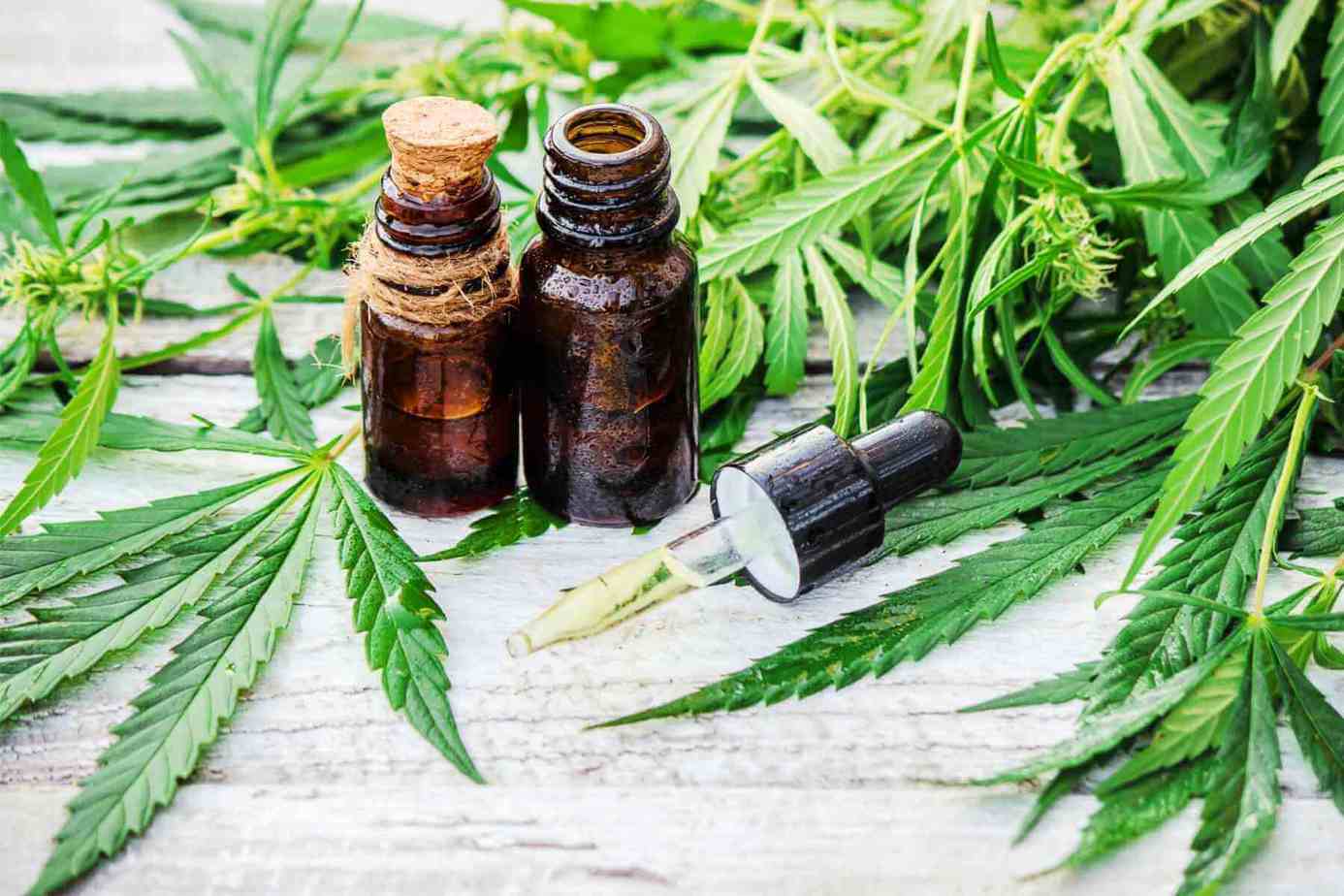
Start with product type
Before comparing brands, decide what kind of product you actually want to use. Oils are often chosen for flexibility, gummies for convenience, and capsules for a supplement-style routine. That one decision makes the rest of the comparison much cleaner, which is why the products hub is one of the best first stops on the site.
If you are still torn between formats, compare CBD oil and gummies or take a broader look at the CBD products guide before narrowing down a shortlist.
Use spectrum as an early filter
Spectrum language helps you decide whether you want a broader hemp profile or a narrower formula. It does not replace quality checks, but it does shape which products deserve a closer look. Readers who want a clean overview can start with the CBD spectrum guide and then move into the more detailed side-by-side comparison.
Do not let strength become the whole decision
Strength matters, but only when you understand what the label is actually telling you. A big bottle is not automatically more concentrated, and an extra-strength badge is not useful without real numbers. The strength guide helps separate bottle size, total CBD content, and serving math so you can compare products more rationally.
Check the documentation before the marketing
Once you know the format and spectrum direction, move to the evidence. Is there a current batch-linked lab report? Are the ingredients easy to read? Does the label explain total CBD and serving size clearly? Those checks matter more than broad claims about being premium, advanced, or elite.
The best supporting page here is how to read CBD lab reports, followed by how to choose a high-quality CBD oil.
Use brand pages as context, not as shortcuts
Brand familiarity can help, but it should not replace product-level comparison. A practical way to use the brands hub is to see which product types a brand appears to emphasize and then verify the individual product details from there. The brand support pages on Feals, 4 Corners Cannabis, Receptra Naturals, and Cheef Botanicals are designed for exactly that kind of comparison.
A beginner filter that works
- Choose the format first
- Decide whether spectrum type matters to your shortlist
- Compare strength using actual bottle math
- Read the ingredient list closely
- Check the current lab report before trusting the label
That is enough to get a useful first shortlist without pretending the category is simple or treating every product as the same thing in a different bottle.